Before one compliant invoice leaves your system, every customer and supplier record needs a valid TRN, the legal name exactly as registered, a trade licence number, the emirate, and whether the company is mainland or free zone. Most of that is missing or stale in the records you already hold.
Sherta Master Data Collection gathers it from your trading partners themselves, checks it, and writes it back into your master with the expiry dates tracked — so go‑live is a switch, not a scramble.
Or try it yourself — a free workspace for 14 days, with your own customers and suppliers. No card, no call.
A new customer can be captured correctly at onboarding. The problem is the existing master — years of records created when none of these fields mattered, many of them belonging to companies that have since changed name, licence or address.
In a structured format the tax details are validated before the document is accepted. A wrong TRN is no longer a note in the remarks — it is a failed submission.
Not your short name for them, not the trading name on the purchase order — the name as registered. Most masters hold the convenient one.
A trade licence collected once is wrong within the year. Readiness is not a project with an end date; it is a field that has to stay current.
What has to be right, per trading partner: TRN · legal name as registered · trade licence number · emirate · mainland or free zone · billing contact · and, where the partner exchanges through an accredited network, their routing identifier. Sherta collects and checks every one of them.
No logins to create for them, no spreadsheets emailed back and forth, and no direct write into your master — your team approves every record before it moves.
Readiness is a number, not a feeling. Every customer and supplier shows what is present, what is missing and what is about to expire, so the gap between you and a compliant go‑live is a worklist you can hand to someone.
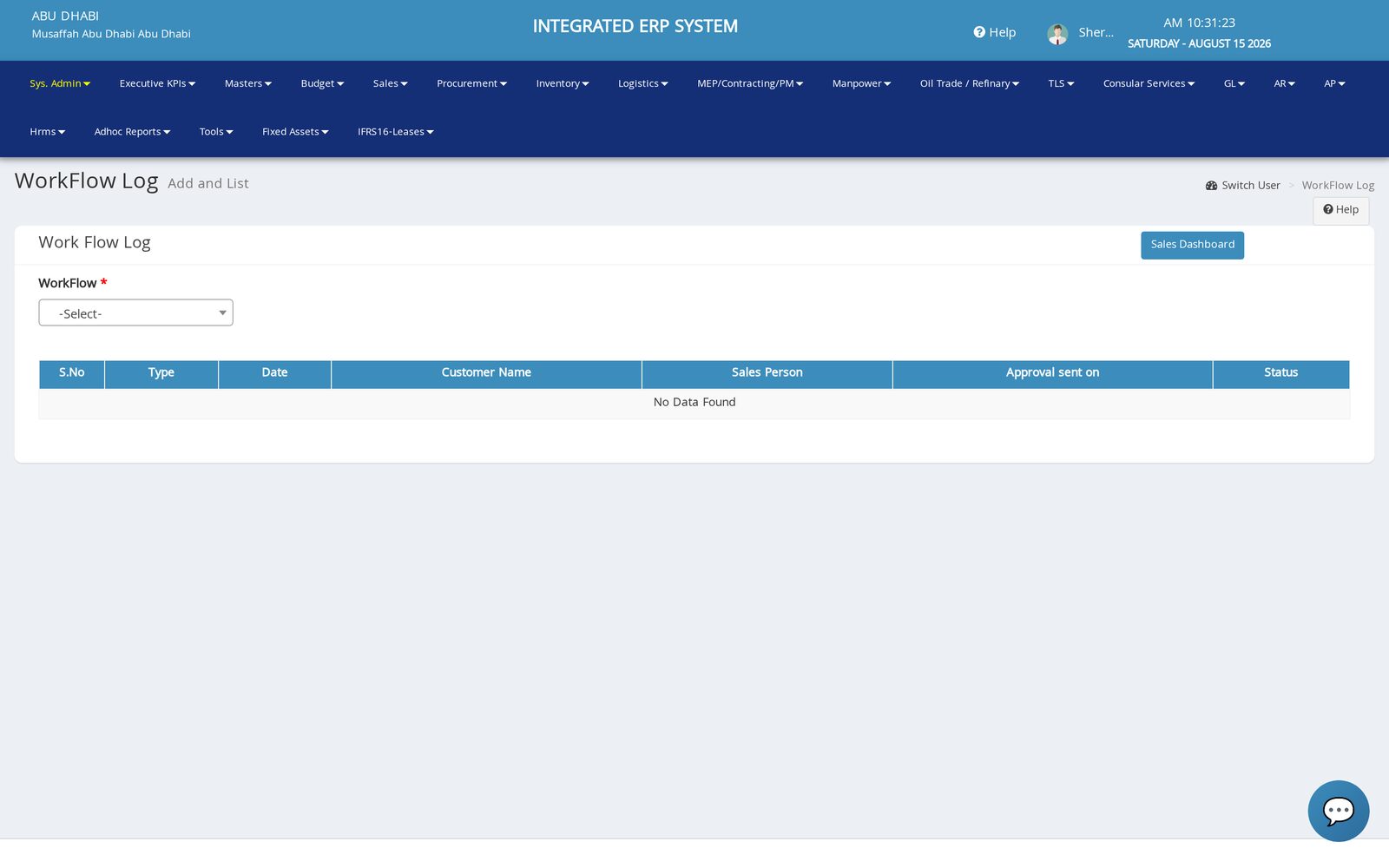
Collection without control just moves the risk. Every returned record routes to the right approver, and the full history — what was submitted, what changed, who accepted it — stays with the partner record.
It is the same approval engine the rest of Sherta uses, so it already fits how your team signs things off.
Master Data Collection runs alongside whatever you invoice from today. If your ERP is staying, this is the part of readiness it will not do for you.
Contracting, trading and manpower businesses carry hundreds of suppliers whose details were never collected for tax purposes.
Group structures repeat the same partner across entities, each with its own version of the record. Collect once, apply everywhere.
The mandate arrives in waves. If your wave is close, the collection is the long pole — start it before the software decision, not after.
Send us an export of your customer and supplier master and we will tell you what percentage is complete against the fields the mandate needs — before you commit to anything.